



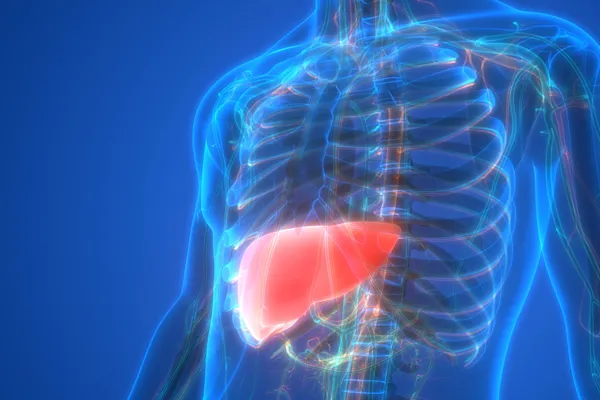
Liver Transplant
Liver Transplant: A Lifesaving Procedure Explained
Liver transplantation is a major surgical procedure used to replace a diseased or failing liver with a healthy one from a donor. It is a critical treatment option for patients with end-stage liver disease, certain types of liver cancer, or acute liver failure.
Who Needs A Liver Transplant?
This procedure is typically recommended for individuals with:
Cirrhosis caused by hepatitis B or C, alcohol abuse, or non-alcoholic fatty liver disease
Autoimmune liver disorders
Genetic conditions such as Wilson’s disease or hemochromatosis
Liver cancer (hepatocellular carcinoma) within specific criteria
Acute liver failure due to poisoning or viral infections
Donor Criteria: Who Can Donate a Liver?
Liver donors can bedeceasedorliving. A healthy liver can regenerate, allowing a portion of it to be transplanted from a living donor.
Living Donor Requirements:
Age 18–60, in good overall health
No history of liver disease, cancer, or transmissible infections
Compatible blood type with the recipient
Psychologically and emotionally stable
Voluntarily willing to donate, with informed consent
Living donors typically donate theright lobe(for adults) orleft lobe(for children), depending on the recipient’s size and need.
💚Considering a liver transplant? Contact AlaanMed today to connect with world-class transplant specialists and receive a personalized treatment plan.
Success Rate of Liver Transplants
Liver transplant procedures have ahigh success rate, especially when performed at experienced centers with well-coordinated care:
One-year survival rate:85–90%
Five-year survival rate:70–75%
Outcomes continue to improve with advanced techniques, better donor screening, and personalized post-op care.
The success depends on factors like the underlying disease, overall health of the recipient, donor quality, and compliance with post-transplant care.
Post-Transplant Care for the Recipient
Proper recovery and long-term survival require strict adherence to medical guidance:
Immunosuppressive medications: To prevent organ rejection, lifelong medications must be taken consistently
Frequent follow-ups: Regular liver function tests, ultrasounds, and biopsy (if needed)
Infection prevention: Due to suppressed immunity, patients must avoid crowds, sick contacts, and stay current with vaccinations
Healthy lifestyle: Balanced diet, no alcohol, moderate activity, and weight control
Psychological support: To manage emotional stress and adapt to post-transplant life
Postoperative Care For The Donor
While liver donation is generally safe, it is still a major surgery and requires a proper recovery period:
Hospital stay: Typically 5–7 days
Recovery time: Around 6–8 weeks before returning to work or normal activities
Short-term discomfort: Pain, fatigue, and temporary digestion issues may occur
Liver regrowth: The liver regenerates to its full size within 2–3 months
Long-term health: Donors usually return to full health with no lasting complications, but annual checkups are recommended
Important Considerations
Psychosocial evaluationis essential for both donor and recipient to ensure readiness and understanding of the risks.
Financial planningis important—while the recipient bears the transplant cost, donor expenses (tests, surgery, follow-up) are also covered in ethical programs.
Support system: A reliable caregiver and support group improve recovery and emotional wellbeing.
Why Choose AlaanMed For Liver Transplantation?
AtAlaanMed, We ensure:
Access to internationally renowned transplant surgeons and hepatology teams
Accredited medical centers with advanced transplant facilities
Complete coordination for international patients: medical visa, airport pickup, translation, and accommodation
Ethical living donor evaluation and post-op support
Transparent cost packages and 24/7 assistance throughout your journey
Our Best Offers ForLiver Transplantation